Adresse

Rue Gabrielle-Perret-Gentil 4
1205 Geneva
Switzerland

Complément d'adresse
C Building, 2nd Floor
Portrait du Pr Karl Schaller
Professeur
Karl Schaller
Head of Division

Pediatric Neurosurgery

Image
Image
Neurochirurgie pédiatrique

Pediatric neurosurgery is a specialized discipline that treats pathologies of the central and peripheral nervous system in infants, children, and adolescents.

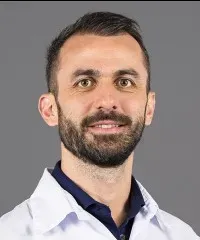
The division's specialists include pediatric neurosurgeon Dr. Andrea Bartoli, who works closely with the Pediatric Surgery Division.

Pathologies treated in pediatric neurosurgery

The most frequently treated pathologies in pediatric neurosurgery are: epilepsy, hydrocephalus, brain tumors, craniosynostosis, spina bifida and craniocerebral trauma.

Epilepsy surgery

All referred children with epilepsy are treated at the Pre-surgery Epilepsy Unit in order to perform an accurate assessment and to detect the cause of seizures. A neurosurgical intervention may be considered when the cause of the child’s epilepsy is clearly identified. Various types of surgeries are then possible.

+ INFO: Helpful Tips for Managing Your Child's Seizures

Hydrocephalus

Depending on the type of hydrocephalus, treatment involves either the placement of a ventriculoperitoneal drain with a valve or an endoscopic operation.

Pediatric brain tumors

Depending on their degree of severity (WHO grade), these tumors require a multidisciplinary approach (neurosurgery, oncology, radiation oncology).

Craniofacial surgery (craniosynostosis)

Craniosynostosis is manifested by an abnormally shaped head. This is a congenital abnormality (present at birth) that involves the premature closure of one or more cranial sutures. The sutures are the connections that separate each bone in the skull.

Several surgical techniques such as scaphocephaly, plagiocephaly and trigoncephaly are able to correct this pathology.

Spina bifida

Spina bifida is a congenital deformity of the spine and spinal cord, which appears during the third or fourth week of pregnancy.

The consequences in the newborn vary according to the degree of spinal cord injury. The baby may have problems ranging from mild movement difficulties to serious mental and functional problems.

A common serious complication is hydrocephalus. A surgical intervention repairs the lesions or openings in the child's spine shortly after birth.

Cranial-cerebral trauma

They are treated by the Neurosurgery Division in collaboration with the Pediatric Emergency Division and the Pediatric Intensive Care Unit based on the severity of the trauma.

LEARN MORE: The Neurosurgery Division also operates in several specialized areas, such as brain surgery, back surgery and neuromonitoring during neurosurgical operations.

Last update : 28/07/2025