
WARNING : If you notice sudden pain, discharge, redness, or unusual swelling at the scar site, do not hesitate to contact our service.
You will usually be discharged from the hospital two days after surgery, once several important criteria have been checked : your pain is under control, your mobility has been re-established, your eating habits are back to normal, the wound is healing well.
Returning Home
Plan your return home in advance with your loved ones if possible: you may need help with meals, cleaning, laundry, shopping, etc.
If an early return home presents organizational challenges, the liaison nurse can help you find a solution, such as temporary support from your local home care service.
Upon discharge, you will receive recommendations for continuing care at home. Complications (pain and fever) may occur several days after surgery. It is important to recognize these symptoms and contact your medical team promptly if needed.
Pain
Upon discharge, your pain should be managed with prescribed treatments. If sudden pain persists despite medication, contact your medical team.
Scar Care
The first placement of the bandage is done on the day of your discharge. After three days, the home care service will visit you to change the bandage under the remote supervision of a doctor (teleconsultation via the HUG@home mobile app). Starting from the 4th week, to avoid a visible scar, massage it with clean, dry fingers. Do not expose the scar to the sun for six weeks. After that, apply sunscreen to the scar.
When can you shower ?
Baths and swimming are prohibited for four weeks and as long as scabs are present. Afterwards, avoid rubbing or scratching the scar. Do not apply any ointment, cream, or oil to the area.
Advice
During the recovery period :
- Walk, move, sit, and gradually resume some activities without triggering pain
- Rest from time to time
- Alternate regularly between different activities
DID YOU KNOW ? After your discharge, the Infection Prevention and Control Service may contact you as part of the Swiss Surgical Wound Program.
Follow the advice given by the physiotherapists and :
- Perform the exercises learned in the hospital every day
- Turn onto your side in one movement, keeping head, hips and shoulders aligned and try to sit up while keeping your back straight when getting out of bed
- Keep your back straight, without twisting or bending the lumbar or cervical region, when performing daily activities (washing, dressing, cleaning, cooking, etc.)
- Use a cup when brushing your teeth
- Walk, but avoid uneven terrain
- Avoid sudden back movements and wearing high heels over 5 cm
- Carry loads close to your body, not exceeding five kilograms
- Avoid sitting in very low chairs (armchairs)
- Maintain a lying position on your back during sexual activity
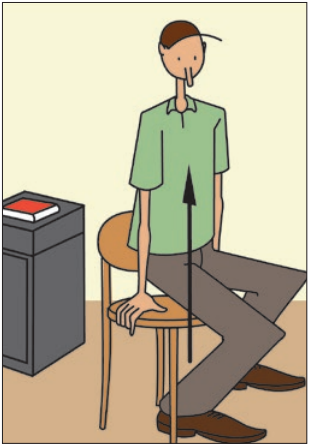
Stand up, back straight, to pick up an item behind you
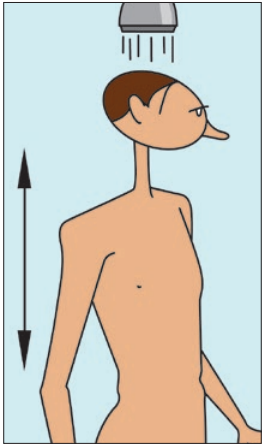
Keep standing while you shower
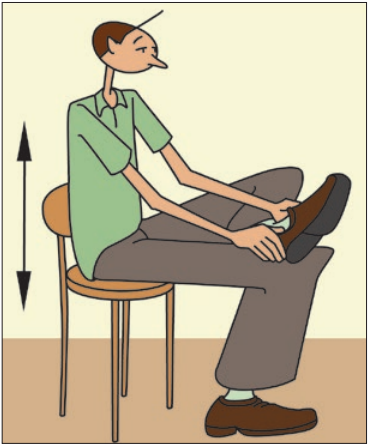
Remain seated to put on your shoes
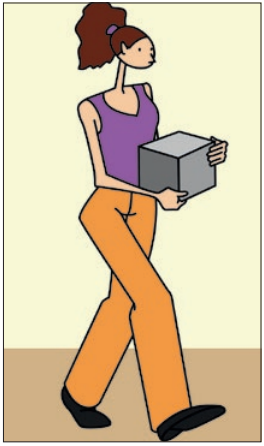
Carry a weight less than 5kg pressed against you
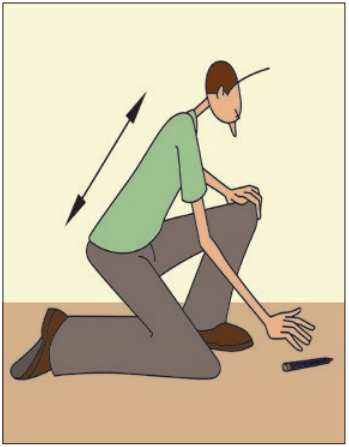
Bend your legs to pick up an item from the ground
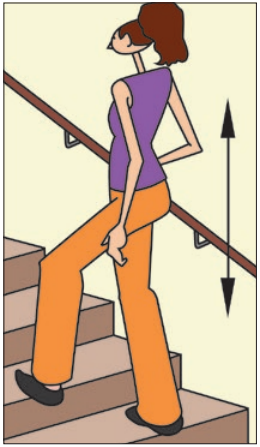
Keep your back straight
Bowel Movements
Your digestion may be disrupted after surgery. You may experience diarrhea or constipation. These effects usually subside over time. Some pain medications can cause constipation. If this happens, make sure to stay well hydrated. Favor a diet rich in fiber (wheat, corn, fruits, vegetables) and move regularly.
Resuming Driving and Sports
Driving is allowed only from four to six weeks after surgery. Before that, you may travel as a passenger for short car trips or use public transportation. The resumption of work and sports activities will be decided based on your progress during the postoperative medical consultation. You will be on medical leave for six to eight weeks. Walking is recommended; other sports may be resumed after medical approval.
Medical Follow-Up
Six to eight weeks after surgery, you will see your neurosurgeon for a radiological check-up and, if needed, receive a prescription for physiotherapy sessions. This appointment is scheduled at the time of discharge and sent to your home by the neurosurgery secretariat.
Hospitalization Costs
Hospitalization is covered by the basic health insurance (LAMal), with a deductible and a 10% co-payment.
CHECK-LIST
Contact your medical team promptly if you notice any of the following symptoms :
- Your scar is painful, red, warm, or has discharge
- You have a fever (>38°C)
- You are vomiting and unable to eat or drink
- You have persistent pain despite taking prescribed pain medication