On 29th January, a team from the Geneva University Hospital (HUG) and the University of Geneva (UNIGE) was awarded the prestigious Pfizer Prize for Biomedical Research 2026, for developing a groundbreaking cancer therapy. The culmination of 15 years of research, this personalised therapeutic vaccine combines the patient’s tumour cells with a powerful stimulator of the immune system, effectively training the body to recognise and fight its own tumours. Successfully tested in humans for the first time, this approach paves the way for a new generation of anti-cancer immunotherapies. The findings are published in the journal Cancer Research Communications.
Whereas conventional treatments such as chemotherapy and radiotherapy show their limitations in battling certain advanced cancers, immunotherapy and therapeutic vaccines have opened up a new realm of hope for patients. The underlying principle is that they mobilise the body’s natural defences to target tumour cells.
Despite spectacular results in some cases, the complexity of tumours and the heterogeneity of immune profiles complicate the development of immunotherapy. In recent years, many attempts at therapeutic vaccines have failed to combine the tumour cells of patients with an effective stimulation of the immune system.
This study successfully tackled this double limitation. It was conducted by: Prof Nicolas Mach, Head of the Clinical Research Unit of the Department of Oncology, Head of the Cancer Center at the HUG and Associate Professor at the Department of Medicine and the Translational Research Centre in Onco-Haematology (CRTOH) of the UNIGE Faculty of Medicine, Rémi Vernet, Scientific Officer at the UNIGE Medicine Department and Dr Eugenio Fernandez, Staff Physician, Division of Oncology at the HUG.
A two-pronged therapeutic technology
The technology the team developed, called MVX-ONCO-1, is a therapeutic vaccine that combines two complementary processes. First, a tumour sample is taken from the patient through minimally invasive surgery. The extracted tumour cells are then irradiated to render them inactive them while preserving all their antigens –molecules that allow the immune system to recognise cells as foreign and destroy them.
This extract is then reinjected as a personalised vaccine. ‘When treating cancer, we don’t always know the exact antigens to target. By using the entire inactivated tumour, we provide the immune system with a complete blueprint of possible targets,’ explains Rémi Vernet.
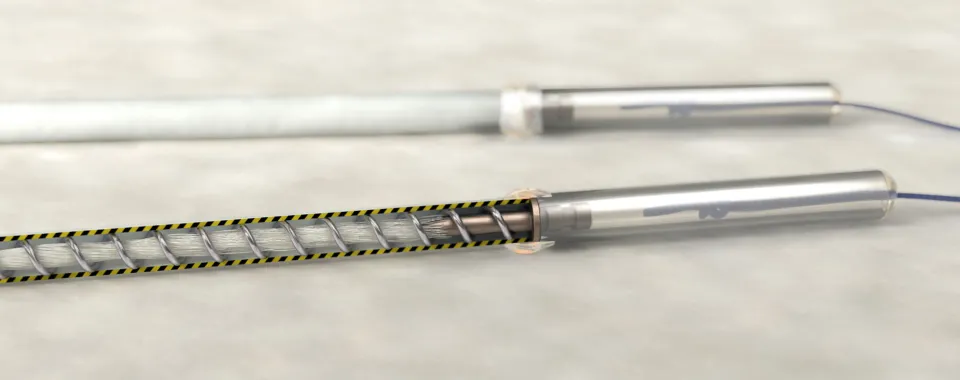
In parallel, biocompatible capsules containing genetically modified human cell lines are implanted under the skin. These encapsulated cells continuously and stably release an immune-stimulating factor, called an adjuvant, at the site of vaccination to stimulate, recruit and activate antigen-presenting cells of the immune system.
‘Essentially, this immunostimulatory factor helps to rearm the immune system, particularly when it has been weakened by previous treatments such as chemotherapy. Moreover, in preclinical studies, our adjuvant has proven to be the most effective ever developed for directing the immune system against a tumour,’ says Dr Eugenio Fernandez.
First promising clinical results
In this first clinical study on humans, the researchers and their team treated 34 people with advanced solid tumours that were resistant to all other treatments. Each person received six injections of their own MVX-ONCO-1 vaccine over a period of nine weeks. All stages, from sampling to production and administration of the treatment, were carried out using the HUG infrastructure.
‘We were able to rely on the platform of the cell therapy and transplantation laboratories of the HUG for the preparation of therapeutic cell products according to the very strict Swissmedic standards and the Research Unit of the Division of Oncology, for the management of patients and the clinical trial,’ emphasises Prof Nicolas Mach.
Over half of the study participants showed signs of clinical benefit, ranging from stabilisation of the disease to prolonged survival. No significant side effects were observed. ‘For patients, this is a minimally invasive and very well-tolerated therapy. This is essential when you consider how taxing conventional treatments can be,’ says Dr Eugenio Fernandez
Towards a new generation of therapeutic cancer vaccines
While the results of the study are not yet proof of effectiveness on a large scale, they lay the foundation for a fully personalised therapeutic strategy.
‘There is still much work to be done! We now need to test this technology in larger cohorts, at earlier stages of the disease and combine it with other existing treatments. But we are starting from a solid base,’ says Nicolas Mach before adding: ‘The next step will be securing funding. Advanced-phase clinical trials require very significant resources. Winning the Pfizer Prize is an important milestone, a mark of excellence and recognition that will help attract the necessary support to allow us to move forward.’
Learn more about the Pfizer Prize 2026.
HUG, Press and Public Relations Department
presse-hug@hug.ch
+41 22 372 37 37
UNIGE, Media Service
media@unige.ch
+41 22 379 77 96